The History of Bottled Water
The nature, purify and cleanliness of water has come a long way from the times when folks drank out of water fountains in the park. Your grandparents should recall where they got their hydration while playing in the park, it was from the community water fountain. These fountains were not refrigerated nor put through any special filters but came straight from the same source that the water from the bathroom sinks. Not only was the water drunk straight from the running park tap but fearless patrons actually put their lips onto the tap without any hesitation. Well, they were thirsty, and this was the only water that was available. Schools and other large institutions likewise had water foundations maybe somewhat upgraded but still not particularly sanitized.

Bottled Water Introduced in the Nineteenth Century
Earlier in world history as more people moved to urban areas and industries expanded, people realized that the city water channels were becoming polluted causing illnesses such as typhoid, cholera and dysentery to proliferate. Public water was no longer considered that safe for drinking. When the germ theory was introduced in the medical world folks realized that there were actual bacteria that was causing people to get sick. Unbelievable as it sounds, medical professionals were clueless that hand washing and sterile garments would decrease the proliferation of illness, specifically in hospitals after procedures and operations. Even today, it is believed that the quicker a person is moved out of the hospital the safer it is.
The water business took off as mountain springs in remote places were tapped for their pure water and put into glass bottles to sell. These bottles were shipped to retail stores to be purchased by affluent customers. In those times only the rich would buy this water; the rest of the folks used tap water unlike today when almost everyone carries some type of water bottle.
1880: Stanislas Limousin a French inventor patented a water bottle made of porcelain which had two parts. There was a filter in the upper part which filtered the untreated water that was poured into the bottle. Limousin named his product Le Purificateur (The Purifier) and his product took off for middle class French families.
During the latter part of the 20th century people began drinking flavored drinks such as soda and juices. By the 1970’s kids were taking pouches such as Capri Sun to school with their lunches and were still using the school water fountains to get their daily water. In those days drinking water was not encouraged as a healthy must. If you were hot and thirsty you would take a gulp or two from the water fountain but almost no one would carry around a water bottle as is done today. If you were financially able you would buy a bottle or can of soda and there was only one brand of diet soda made by Coca Cola called Tab.

Generally, parents forbid their children from drinking anything with artificial sugars and consider them poison for a child to ingest. So yes, drinking sugar drinks or juices was the way to go for the general population. The people who were not fiscally able to buy flavored drinks, went to their kitchen faucets with a plastic pitcher, turned it on and filled the pitcher to the brim and the family could take as much as they wanted from the tap water. If they remembered to fill the ice trays the day before they could make ice water. Refillable seltzer bottles delivered by the seltzer man were common and who could forget the soda man who came every other week with a variety of no-name brand bottles. Interestingly, people were not concerned about weight that much and drinking sugary drinks did not seem to pose an immediate hazard for healthy people.
All this changed when in 1977 the PepsiCo company introduced their first brand of bottled water called Aquafina. It was advertised as coming from pure mountain springs although it was only regular water mixed with spring water. It was perfect timing with the popularity of jogging and dieting which were starting to be recognized as a normal way of life. In addition to soda in the typical soda vending machines, Aquafina® was added, and it took off on the mass market turning bottled water into a business worth billions of dollars.
The younger set takes extreme exercising and bottled water drinking as the norm of this generation, but bottled water is a relatively new phenomena in the world of consumerism. Ask any senior if they would have ever believed that people would be paying good money for water, and they will tell you that the only thing they do remember is a visit to mountain springs when they were on vacation. Venues such as Saratoga Springs in upstate New York are known for their mineral water.
Saratoga Springs
Legitimate springs such as Saratoga do have healing properties for conditions such as heartburn and stomach upset (Check out the springs that are high in alkaline content) and others contain iron and salt (beneficial for those vegans who don’t eat meat). This author had the pleasure of visiting Saratoga Springs about ten years ago. There are different springs in different areas with different ingredients. You are allowed to take as much of the spring water as you wish as long as you bring your own vessels which we did not know. We had a couple of bottles of water in the car which we emptied so that we could at least have a taste of what those carbonated mountain springs have to offer.

Here is a bit of a geology lesson about Saratoga Springs. There is a fault line underground which lets water that is trapped in layers of shale come to the surface. Celebrities such as George Washington praised the healthful benefits of the springs and even tried to purchase the land. The Indians were big believers in the therapeutic effects of these springs and named them “Serachtuague” which translates to “the place of fast-moving water” and the early colonists’ mispronunciation turned the name of the springs to “Saratoga” which still is an Indian sounding name.
Doctors prescribed these springs to cure rheumatism, heartburn, malaria, diabetes, kidney and liver ailments, strengthening the blood and even combating cancer. Interestingly, no two springs are the same and have uniquely different tastes and are made up of distinct minerals.
What is the difference between spring water and purified water?
Today, bottled water has become a necessity (there are folks who install water filtering systems in their sinks, but they are inconvenient since the filters do have to be changed once in a while or the water will not be filtered correctly). There are so many different types of bottled water some are from mountain streams but some are just purified water. It’s easy to mix them up especially if you are very thirsty and run into a store and grab a cold bottle.
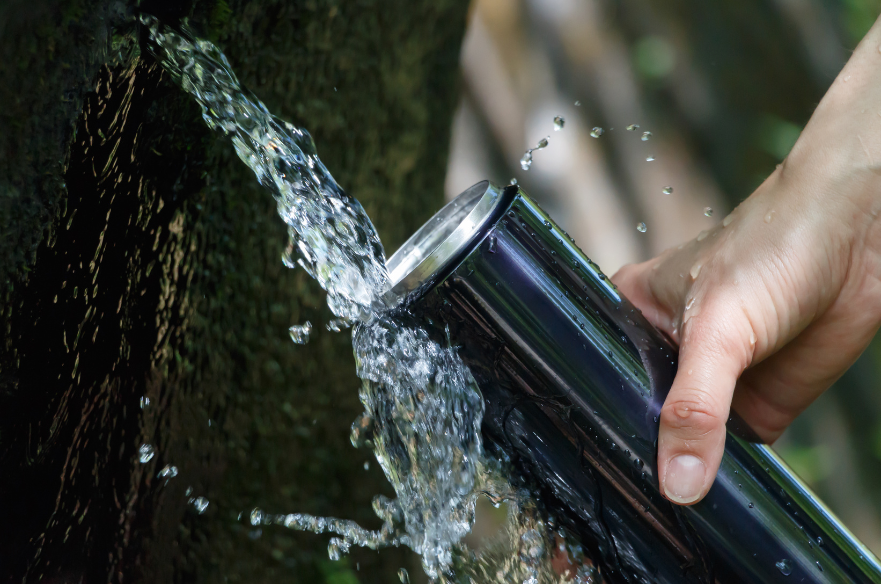
Mountain spring water is filtered naturally underground white purified water can be any water that is filtered or purified to remove contaminants and other impurities. Spring water is specifically collected from boreholes or springs. These waters are filtered naturally as they flow through hills, valleys and mountains infusing the water naturally with minerals. Spring water has no known pollutants where it flows, making it a preferable alternative.
The creation of spring water is known as infiltration which means that when it rains the rainwater does not go into a stagnant water source but instead is filtered by rocks and minerals which takes several years. It does not require any artificial filtering and is ready to drink naturally. If you come across a natural spring while on vacation, be careful, not all water from every spring is ready to drink and can make you sick. This is because it has not been properly filtered and can have bacteria or some other harmful organic material.
Purified waters originate from canals, lakes, rivers and other stagnant water sources. Once the water is purified contaminants are safely removed but unfortunately so are the rich and healthy minerals. There are quite a few national parks that boast mountain spring water for therapeutic drinking.

Some of them are the sources for true spring waters that are sold in stores. Some allow visitors to fill up jugs and containers for free and many neighbors take advantage of this. Some of the springs are called hot springs and are for curative bathing not drinking. Before traveling long distances to mountain springs check if they are for drinking or bathing.
What are Some Benefits of Spring Water?
Good quality spring water has many benefits and here are a couple. Spring water can lower blood pressure. With the process of aging and the stress of everyday life many healthy people find out that they have high blood pressure. Sometimes the doctor will warn you that you must exercise and lose weight before putting you on medication. Springwater consists of valuable minerals and vitamins such as magnesium and calcium which can decrease blood pressure in people with borderline hypertension. Another benefit of spring water is to lower the acidity in people’s bodies changing their Ph level to basic as opposed to acidic.
Final Words
Since we live in a polluted world and the municipal water is full of contaminants, most people today refrain from drinking tap water. There are certain cities such as New York City that are noted for their good tasting tap water but that does not necessarily mean that their water is free of pollutants.
Some homeowners dig wells in their backyards but again that water may be right for watering the lawn but not for drinking. Well water is especially useful when the city governments forbid watering the lawn on hot summer days when there has not been rainfall for a while. If you have a well in your backyard that is connected to a hose or sprinkler system you will be exempt from that prohibition.
For folks who are from previous generations paying for water sounds strange. However, with the knowledge that tap water can be detrimental to our health most people are opting for spring water whether through having a water cooler in the home or using small convenient bottles to take on the go. There are many different quality levels of what is referred to as spring water since there are not yet strict laws to monitor the water. If you are thinking of starting the delivery of spring water to your home, make sure that the water is authentic and not just purified water. Yes, purified water is definitely safer than tap water but why not buy water that also contains vitamins and minerals and also tastes great.